
What you pass down, they pass on.
Children don’t just hear you.... They become you.

Violence isn't inevitable, it's preventable.
That means you have the power to change it.
We tell our children to be kind, to keep calm. But children don’t learn from what we say – they learn from what we do. Whether it’s how we handle a cut-up on the motorway or a conflict in the kitchen, little eyes are always watching.
You are their first and most powerful teacher. But we are human, and humans make mistakes.
This isn’t about being perfect; it’s about being aware.
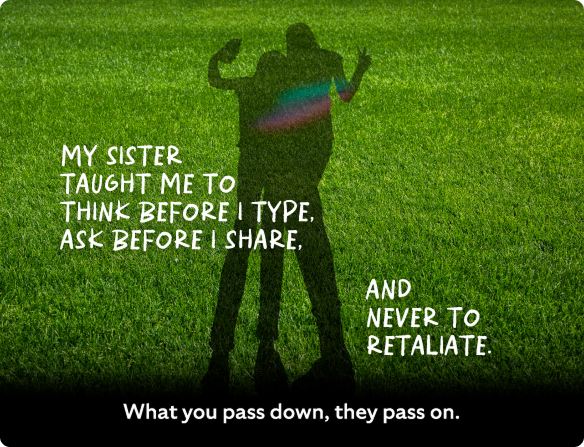
when you change your reaction, you change their future.
For a long time, we believed that aggression and anger were just “part of who we are”. But science tells a different story.
Violence and aggressive behaviour aren’t inevitable traits written in your DNA. They are learned responses to stress, fear, and frustration. This is what psychologists call “Social Learning”. Your child acts like a sponge, absorbing how you handle the world’s pressure.
Reducing the number of Adverse Childhood Experiences (ACEs) children are exposed to means they have a brighter, healthier future – watch this short 4 min video to see how negative influences on a child can have real impacts on their future.
The good news is that because these behaviours are learned, they can be unlearned.
“In the Heat of the Moment”
How we handle anger teaches children how to handle theirs.
When the red mist descends, we all know the feeling. The heart races and clear thinking unravels. It’s a biological response to stress, and it happens to the best of us.
But while that rush of anger feels uncontrollable in the moment, it is not inevitable. You have a choice.
In that second between feeling the trigger and releasing the explosion, there is a gap. That gap is where you can change the outcome – not just for you but for any little eyes watching you.
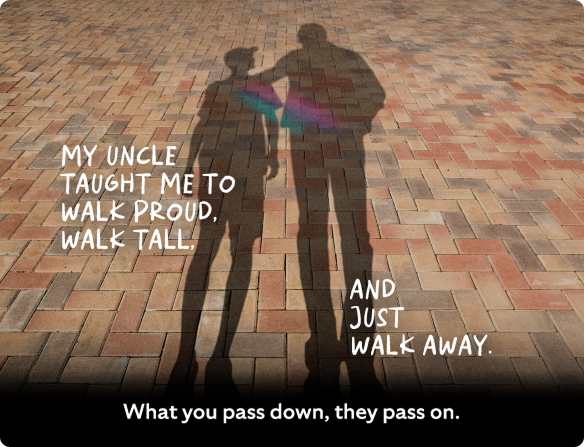
“In the Heat of the Moment” Key Resources
- Silvercloud – SilverCloud is a website with courses you can do to improve your mental wellbeing. You can learn new ways to deal with the challenges you’re facing. It’s designed by clinical experts, and supported by the NHS and Scottish Government. When you go into the SilverCloud site for the first time, enter the access code NHS24.
- Daylight is a digital programme to improve anxiety based on Cognitive Behavioural Therapy (CBT). It’s clinically proven to help people improve their anxiety symptoms. Daylight teaches you practical CBT techniques that help tackle the root causes of anxiety. By using Daylight for just a few minutes each day, you can start to feel more in control. You can use Daylight via the app for iOS and Android devices. To access this course, you need to provide the first half of your postcode and your email address.
- Scottish Conflict Resolution Centre / Cyrenians – SCCR Quiz. Take a quiz to learn more about what makes you tick and the chemicals at work in your brain making you feel the way you do.
“The Daily Rituals”
How do you want your child to handle their first heartbreak, exam stress or a bad day at work 20 years from now?
The coping strategies they will use are the ones they are watching you use now.
If daily rituals are your only way to cope, you aren’t alone. It’s okay to ask for help. Check out the support below.
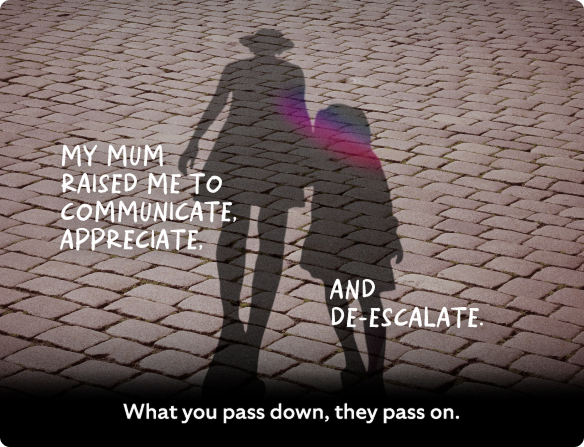
“The Daily Rituals” Key Resources
- Alcohol Focus Scotland – Drinking too much? | Alcohol Focus Scotland
- Drinkaware (Moderation Tools) – Drink Tracker & Tools | Drinkaware
- Scottish Families Affected by Alcohol & Drugs
- Know the Score – Whether you’ve taken drugs, are thinking of taking them, or are just curious and want to know more, it’s important to know the real facts about drugs.
“The Hidden Classrooms”
You are teaching and influencing even when you aren’t ‘parenting’ or even a parent!
We tend to think education happens at school and parenting happens at home. But the most powerful lessons often happen in between.
Children and young people are learning in environments you might not even think of as classrooms:
- The car – It’s not just transport, it’s a lesson in patience and safety
- The pitch – It’s not just a game, it’s a lesson in respect and emotional control
- The screen – It’s not just scrolling, it’s a lesson in how we treat people we can’t see.
Wherever and whoever you are – you are the teacher, and you can positively influence children and young people.
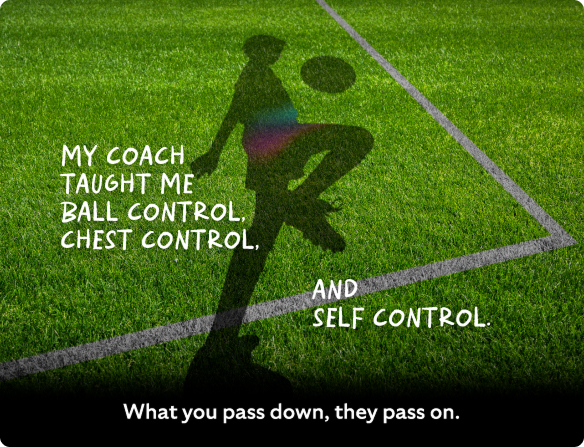
“The Hidden Classrooms” Key Resources
- Road Safety Scotland (Kids in the Car) – Car journeys with children – Road Safety Scotland
- IAMRoadSmart– Breaking the Cycle of Conflict – https://youtu.be/diJvYFdqBv0
- Sideline Behaviour and Masculinity – Scottish FA (Let Them Play) – Let Them Play Toolkit (PDF)
- NSPCC – Keeping Your Child Safe in Sport campaign – for parents
“The Digital World”
We often feel our online world is private – locked behind a screen.
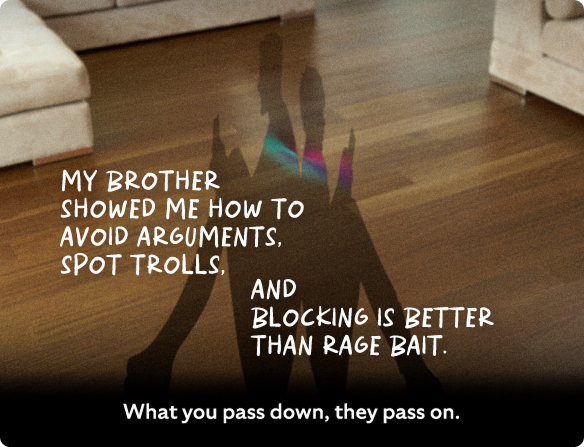
But our children are watching more than just their own devices; they are watching adults too. When we react with aggression to a lost game, type a furious comment in a moment of stress or lose hours to a screen in silence, we are unintentionally writing a manual for them on how to handle conflict and connection.
Taking a moment to reflect on our own digital habits isn’t about guilt – it’s about growth.
It is never too late to press pause and rewrite that manual. Whether you are concerned about your own relationship with social media, online gaming rage, or digital dependency, asking for help is the most powerful lesson you can teach.
“The Digital World” Key Resources
- Digital Discourse Initiative – advice around online hate and disinformation.
- Parent Club – Advice on understanding how to keep your child safe in the digital world.
- Police Scotland – Keeping secure online
- Respect Me – Scotland’s anti bullying support service including online bullying.
- NSPCC Learning: Provides guidance on photography and sharing images, helping organisations and parents navigate the risks of the digital footprint. Talking to your child about online safety | NSPCC
- UK Safer Internet Centre – Guides for parents on everything from phones, laptops, gaming and social media.
- Internet Matters – offers a downloadable “Family Digital Agreement to help set parameters with your children around digital devices amongst other support.
“Breaking the Cycle”
We all follow a script written by our own past.
Maybe you learned to shout when you were angry because that’s what your family did. Perhaps you learned to shut down and stay silent. Maybe you learned or were influenced to treat other people in a particular way based on their gender, physical appearance, ethnicity, religious background or more.
But the truth is that you are the author of the next chapter.
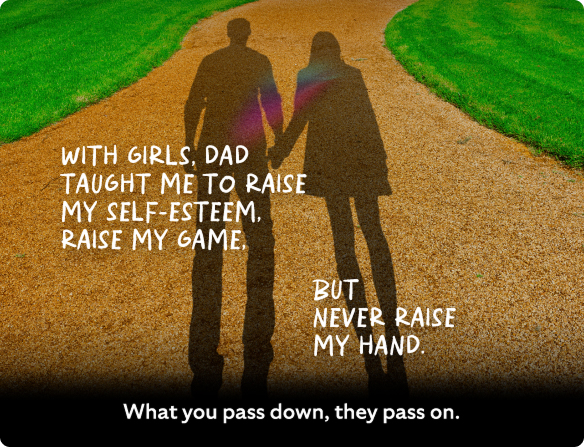
Just because a behaviour was passed down to you, doesn’t mean you have to pass it on. You have the power to edit the story. It takes courage to look at your own reactions and say – the cycle stops here!
It’s not easy to change a lifetime of habits, but you aren’t alone. Support is out there to help you.
“Breaking the Cycle” Key Resources
- Disclosure Scheme for Domestic Abuse Scotland – Police Scotland -The Disclosure Scheme for Domestic Abuse Scotland (DSDAS) is a way to find information about whether a person has an abusive past. This information can be used to prevent someone from experiencing domestic abuse in the future.
- Scotland’s Domestic Abuse & Forced Marriage Helpline – Home – Scotland’s Domestic Abuse and Forced Marriage Helpline
- FearFree: support for people experiencing domestic abuse in Scotland who identify as a man or from the LGBT+ community – FearFree
- Abused Men in Scotland – Scotland’s helpline for male domestic abuse victims – AMIS | Abused Men In Scotland
- Relationships Scotland (Mediation) – Family Mediation – Relationships Scotland
- The Spark – Specialised family counselling and relationship support – The Spark – Igniting Change
- No Knives Better Lives (NKBL) – a wide range of tools and resources
- Medics Against Violence – working in hospitals, schools and communities to reduce violence – prevention is better than cure.
- Mentors in Violence Prevention (MVP) – Running in Scottish schools, this program uses a “bystander” approach. It empowers young people to challenge abusive behaviour in peers. Parents can learn more to help reinforce this messaging at home.
- Zero Tolerance – “You Can Be” campaign and “Gender Equal Play” resources challenge the norms that say boys must be tough and girls must be passive.
- Children 1st (Parent line) – Bringing up children can be tough at times. You are not alone.
- Scotland | Togetherness – Togetherness – Actionable Tool: Direct access to the Solihull Approach online course portal for Scottish families with the access code “TARTAN”.
- Shout – Support for People in Crisis.
- Children First – Scotland’s national children’s charity, standing up for children because every child should have a safe and happy childhood. Support for parents and families.
Copyright 2026 Scottish Violence Reduction Unit | whatyoupassdown.com